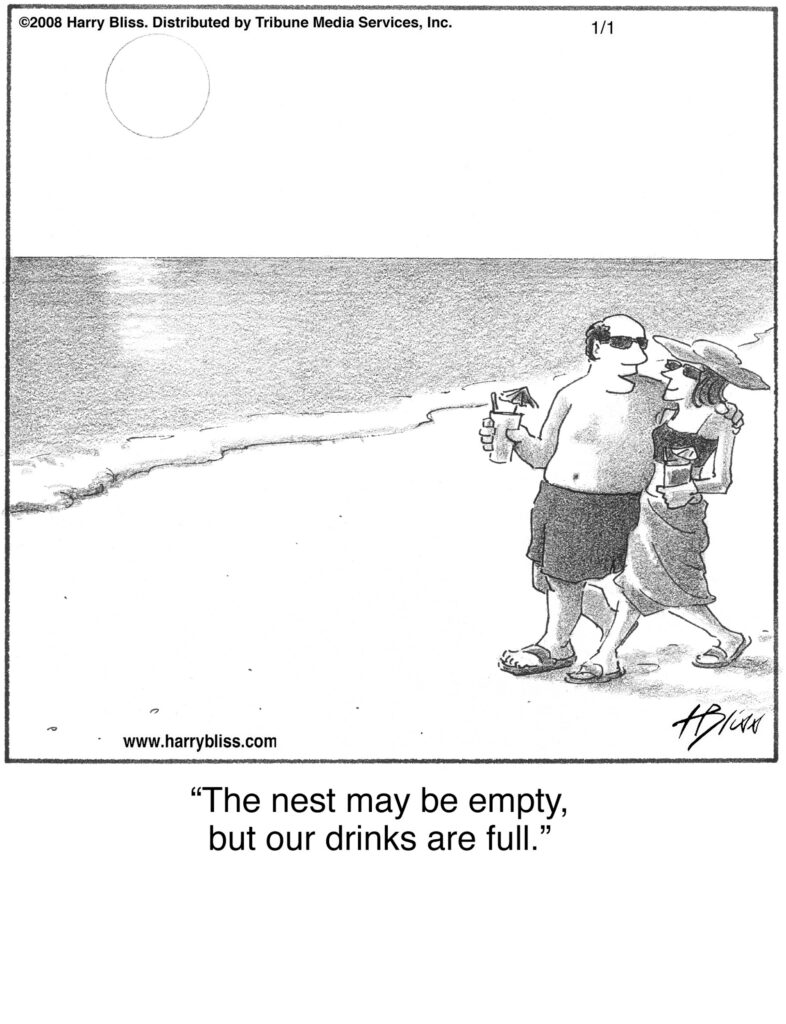
Meet Cathy and John. Their retirement plan had missing pieces.
Cathy had made a fresh pot of coffee (gotta love these people) and John’s calculator was by his side.
I said, “Okay, this may surprise you. But the years I want you to focus on are the 5 years before and the 5 years after your Retire-ish date.”
The 5 years before your planned Retire-ish date are when things like a market shock or significant tax changes can most delay your financial independence and make you anxious to consider reducing or stopping your work.
In 2024 when the government proposed an increase in the capital gains inclusion rate, this risked upending many a doctor’s financial plans (except for my clients!). Yes, that was a shameless plug.
Then we jump to after your Retire-ish date.
The first 5 years of your retirement are when you’ll spend more.
You’ll do all those big things you’ve dreamed of: buying a new house, travel, boats, live in a different country, and these things typically cost more.
Cathy and John didn’t take long to answer.
“We want to be able to take vacations without the kids for a few years,” Cathy said. “We love our children, but we’ve always had to consider what there would be for them to do, wherever we go. We just want to enjoy the places that have nothing to do but relax.”
John grinned, “We don’t think that would be every year in retirement, just initially, so we get to spend time together. Our children are soon going to be out on their own, and it’s our time now.”
I’ve heard similar stories many times over the years. What I liked about what John and Cathy were saying was a realization that their short-term focus was on just them.
There’s nothing wrong with it either.
Parents spend most of their working lives thinking of their kids, and I’ve not yet met clients well into retirement who don’t still want to include their now adult children in their planning.
But they still want to take a few years to celebrate the next chapter in their lives!
This is one of the reasons the first five years of retirement are often very different from your remaining years. Eventually though, your expenses tend to settle down. Which means you need less to live on.
“You won’t know what you really want to spend in retirement until you’ve done the things you want to do, and have decided on the things that really give you enjoyment.”
I asked Cathy and John, “What if we were to plan for a higher-than-expected retirement income stream for the first five years, before dropping down to a lower planned income that allows you to do all the things (you realize afterwards) that are how you truly want to live?”
“That makes total sense to me,” Cathy said.
I took a big sip of coffee. Heaven!
“That’s one of the key things to understand about your retirement. You won’t know what you really want to spend in retirement until you’ve done the things you want to do, and have decided on the things that really give you enjoyment.”
John nodded and tapped the table with his pen.
“Okay, Adrian, I get it. But how the heck am I supposed to know when I can plan for my Retire-ish date?”
It was time to look at my 5 Bucket Formula.
You’ve just read an excerpt from Retire-ish! I’d love to hear from you! I’m always interested in hearing about the unique financial situations doctors have. Send me a note! And if you’d like to learn about my unusual 5 Bucket formula? Please check out my newest Amazon bestselling book, Retire-ish: What Doctors Need To Know Before They (Sort Of) Retire