When I sit down with a physician who has just wrapped up their fellowship, the energy in the room is always incredible. They’ve finally crossed the finish line of a grueling marathon: medical school, residency, and possibly a demanding year or two of sub-specialization.
I was recently chatting with Mike, a physician who is just about to start practicing in July. He was finally trading in the low-pay, high-stress lifestyle and was looking forward to many of the things I often see. Buying a home, paying down a monster of a student loan, and just building a life.
My clients have often heard me talk about the four buckets they can allocate their income to, and how they allocate determines a 5th bucket. They can save it, they can spend it, they can pay it down, and they can protect it. And how they allocate across those four determines the amount and timing of when the CRA tries to take it. So building their plan and then protecting it is essential. (Shameless plug: learn all the details in my Amazon bestseller, Retire-ish)
Building a financial plan is like building a house
Building Mike’s financial plan is a lot like giving him a proud tour of a beautiful, brand-new home he’s thinking of buying.
“Look at this beautiful kitchen,” I might say when we discuss incorporating his practice.
“Here’s the two-car garage” as we build his debt repayment strategy.
“And just look at this fabulous rec room” as we talk about savings ideas.
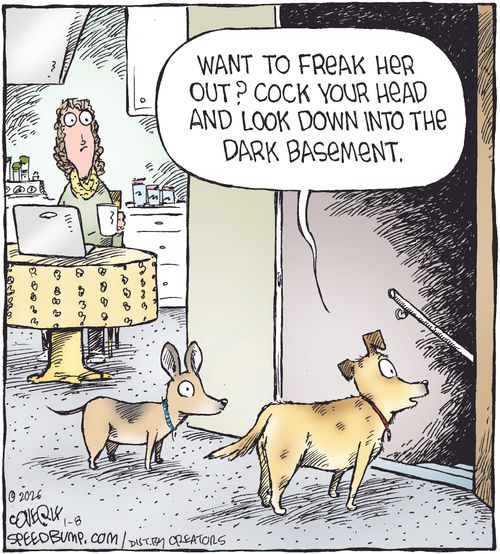
But eventually the tour has to go downstairs, to the unfinished basement, to determine income protection. (This is the unsexy, often avoided part of their financial home tour: income protection aka the unfinished basement.)
It always feels overwhelming, expensive and scary to most people, but I love showing how it doesn’t have to be that way. (Hmmm. I really should start here and build up to their rec room!)
The unfinished basement is the foundation for your whole house
Mike sighed a bit. “Yeah, I’ve been avoiding this, Adrian. I’ve already had advisors trying to push insurance policies on me since the day I entered medical school. It feels like an annoying expense.”
“I get it,” I said. “It makes everyone defensive. It’s why we toured the rest of your financial plan first, so we know WHAT we need to protect to accomplish your debt, savings and lifestyle goals.”
“But let’s look at this a different way. What if when you were looking to get a contract you had to compare against two offers. The first offer A pays you a flat $500,000 per year, while the 2nd offer would pay you $490,000. On the basis of just those two numbers, which one are you taking?” I asked.
Mike looked at me, smiling slightly because he knew me well enough by now to know there was a catch. He hesitated, then said, “Well… knowing nothing else, of course I’d choose the first one.”
“And that is absolutely correct,” I responded. “I’d take the one with $10,000 more per year any day of the week, as long as all other aspects were the same. But as you suspect, there’s more to the 2nd offer.”
I leaned in. “Let’s look at the full details of what these two employers are actually offering.”
“If you were to become disabled and unable to work for a period of time, the first offer would pay you nothing, while the second offer would pay you $15,000 per month tax-free until you could return to work.”
Mike nodded. “What else?” he asked.
“If you were to suffer a critical illness such as cancer, the first offer would still pay you nothing but your second offer would pay you $1,000,000 – also tax-free.”
That got his attention!
Mike raised his eyebrows. “Okay, I didn’t know about this stuff. Any more benefits?”
“Well, should you unfortunately prematurely pass away, the first offer would pay your loved ones nothing, but the second offer would pay them $3,000,000, again tax-free.”
Mike did some quick math.
“So, basically what you’re saying is we can use 2% of my $500K income to protect the other 98%?”
“Exactly right.” I responded.
This is the unsexy, often avoided part of their financial home tour: income protection aka the unfinished basement.
“And while I don’t expect there to be any issues with your applications, if for some reason you were to receive a rating, exclusion, or worse, a decline, we can adapt your plan accordingly to maybe pay down debt or save more aggressively. Sort of making hay while the sun shines to get you ‘self-insured’ as quickly as possible. That’s why it’s so crucial from a planning perspective to know what we’ve got on the table to consider.”
Now that unfinished basement started to look more like not only a solid foundation for the rest of Mike’s home, but with lots of possibilities to design it exactly how he wants it.
We headed back upstairs to enjoy building the rest of his financial house, knowing it will be built to last.
Note: The illustrative examples and premium ratios above are based on a 35-year-old male non-smoker for term 20 life and term 10 critical illness policies. Actual insurance rates and features are subject to change and vary based on individual health, age, and underwriting specifications.
I’d love to hear from you! I’m always interested in hearing about the unique financial situations doctors have. Send me a note! And if you’d like to learn about my unusual 5 Bucket formula? Please check out my newest Amazon bestselling book, Retire-ish: What Doctors Need To Know Before They (Sort Of) Retire
