A few weeks ago, I met one of my long term clients online for her Fall Planning Update over coffee. We had barely begun our meeting when Sarah’s eyebrows drew down and she pressed her lips together.
Then she said,
“Adrian, I have to let you know – I am so overwhelmed right now. I have a health challenge and I need to immediately take extended time away from my practice. I’m pretty freaked out.”
I put down my coffee cup and leaned toward the screen. “I’m so sorry you’re going through a tough time, Sarah. But we can work through this. Are there any financial concerns that are bothering you? I’m here to help.”
Sarah sighed. “My mind is swirling, Adrian. Will I be financially okay? How about my family? What do I need to do right now?”
I could see the weight on her shoulders. When you spend your career caring for everyone else, suddenly being the one who needs care can be a heavy shift.
“Adrian, I’m exhausted. And on top of everything I’m losing sleep just worrying about everything.” Sarah said, setting her coffee cup down.
“My doctor says I need to step back completely to focus on my recovery. But all I keep thinking about is: How is my family going to manage? What happens to our plan if I’m not working?”
I took a breath and looked her straight in the eye. “Sarah, I want you to hear me on this. You are going to be completely, 100% financially solid. Your household is safe.”
Why The Right Chess Pieces On Your Financial Board Are So Important
Sarah blinked, slightly caught off guard.
“Are you sure? We built this plan assuming I’d be practicing for another fifteen years, and my disability coverage doesn’t replace all of my income.”
“It’s all about how we set this up years ago,” I told her.
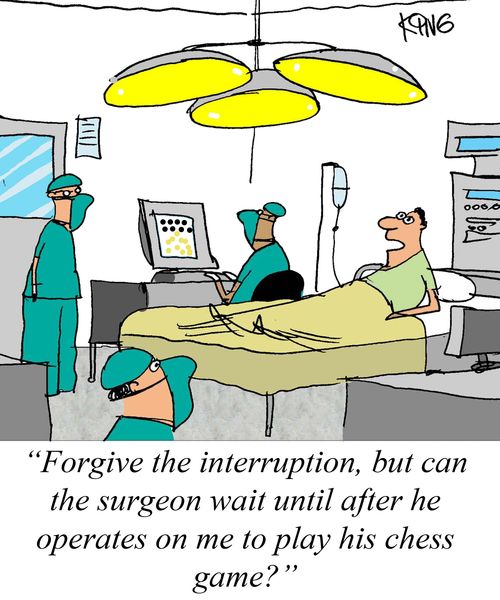
“When we started working together, we didn’t just build a rigid, best-case scenario. Remember how we deliberately built your lifestyle plan around most of your income, not every single dollar? We did that on purpose—partly to give you spending flexibility while you worked, but also for times like this. We placed a lot of chess pieces on your financial board.”
Sarah looked interested. “How does that us help now?”
“Your disability income comes in tax-free,” I explained. “When you compare that amount to the net, after-tax income we were actually using in your day-to-day plan, the difference is surprisingly small. You won’t feel a massive drop in your lifestyle. The board is still completely under our control.”
I could see her shoulders drop an inch, but the worry didn’t disappear completely.
I Step In And Handle Everything With Your Insurance Claim
“Okay,” she said quietly.
“That’s a relief about my plan… but honestly, the thought of dealing with an insurance claim right now feels completely overwhelming. I’ve heard horror stories about the paperwork, the endless questions, the yearly follow-ups… I don’t have the energy for a fight.”
“When we started working together, we didn’t just build a rigid, best-case scenario. Remember how we deliberately built your lifestyle plan around most of your income, not every single dollar? We did that on purpose—partly to give you spending flexibility while you worked, but also for times like this. We placed a lot of chess pieces on your financial board.”
“And you shouldn’t have to,” I replied. “That’s where I step in. You don’t have to figure out the claims process, worry about which forms need to be submitted, or stress over the annual reviews down the road. I take care of all of that. Think of me as your buffer and your advocate with the insurance company. Your own doctor can provide most of their needed information, and if they have a question for you, you come through me. Your only job right now is to focus entirely on your health and getting better.”
Sarah took a deep breath, and a genuine look of peace settled over her face.
“I can’t tell you what a gift it is to hear that, Adrian,” she said. “I feel like I can finally stop panicking and just breathe.”
“You’re not in this alone, Sarah. I will do whatever I can to take stress off your plate.”
Moments like that are why I do what I do.
Financial planning isn’t just about spreadsheets, tax rates, or investment returns. It’s about building a foundation strong enough to carry you through real life, so that when a storm hits, you aren’t left wondering if you’ll survive it financially.
If you ever find yourself facing an unexpected bump in the road, know that you don’t have to navigate the complex details alone. We’ve already put the right pieces on your board, and I’m always in your corner.
Enjoyed this article? I’d love to hear from you! I’m always interested in hearing about the unique financial situations doctors have. Send me a note! And make sure to check out my Amazon bestseller, The Doctor’s Handbook: 5 principles of wealth you weren’t taught in med school.
